MYTHS IN THE MAKING · VOL.02 · 36 PHOTOGRAPHS

世界停下之前,再跳一次

《神話未完成》第二冊|One More Dance Before Stillness

36 張 · 6 章 · 圖片可點開放大,用左右鍵逐張看 · 每張都附 Flickr 連結

史旺姬《世界停下之前,再跳一次》第28幅,第5章「再跳一次」

創作理念 · STATEMENT

她以為世界要靠她的每一步才能轉動。

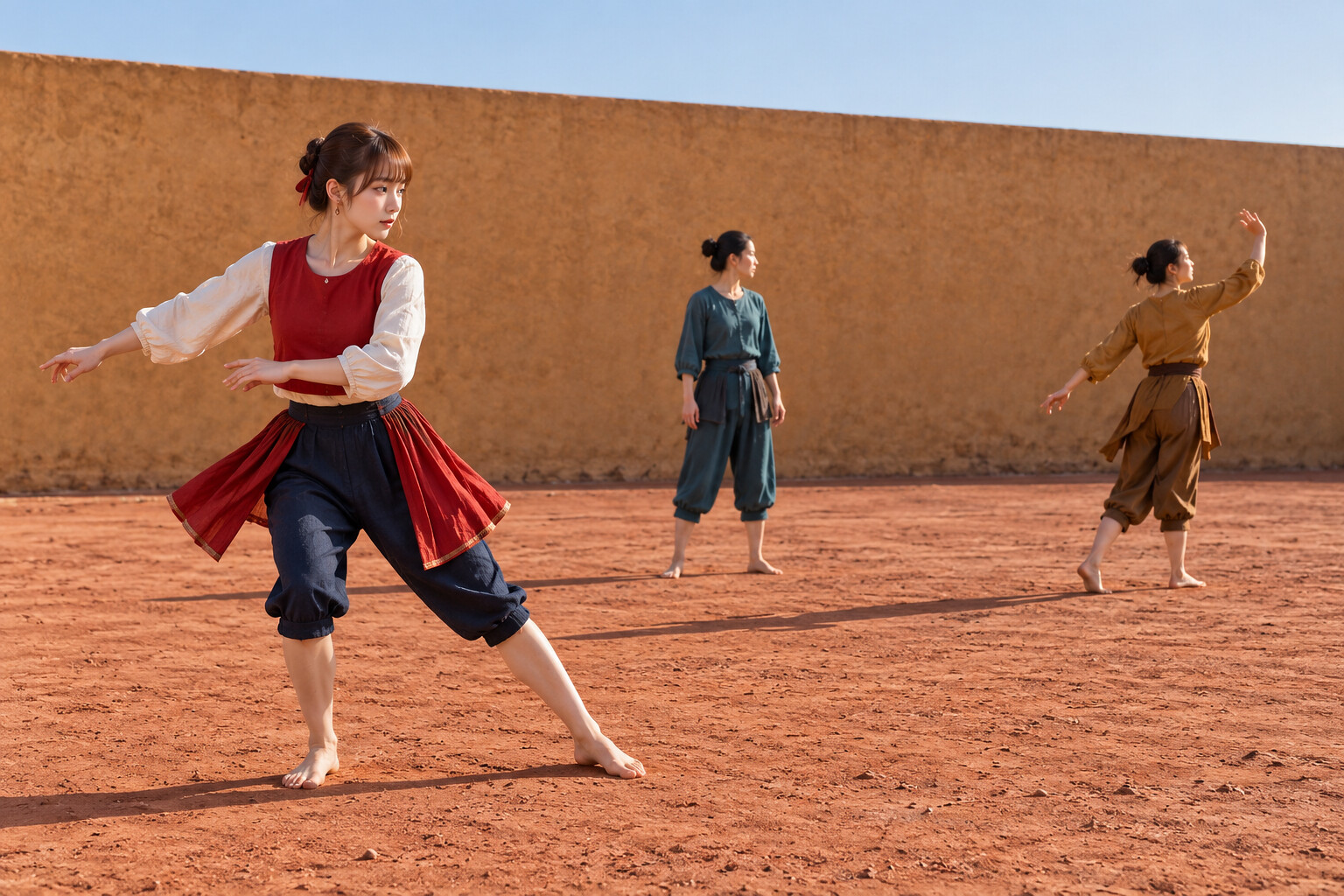
舞王濕婆以一支舞維繫創造與消逝。她不是神,只是一位舞者,借來幾個意象:鼓聲化作腳下揚起的紅土,火環化作舞臺上的一圈燈,多重的身影交給兩盞燈投出的雙影。

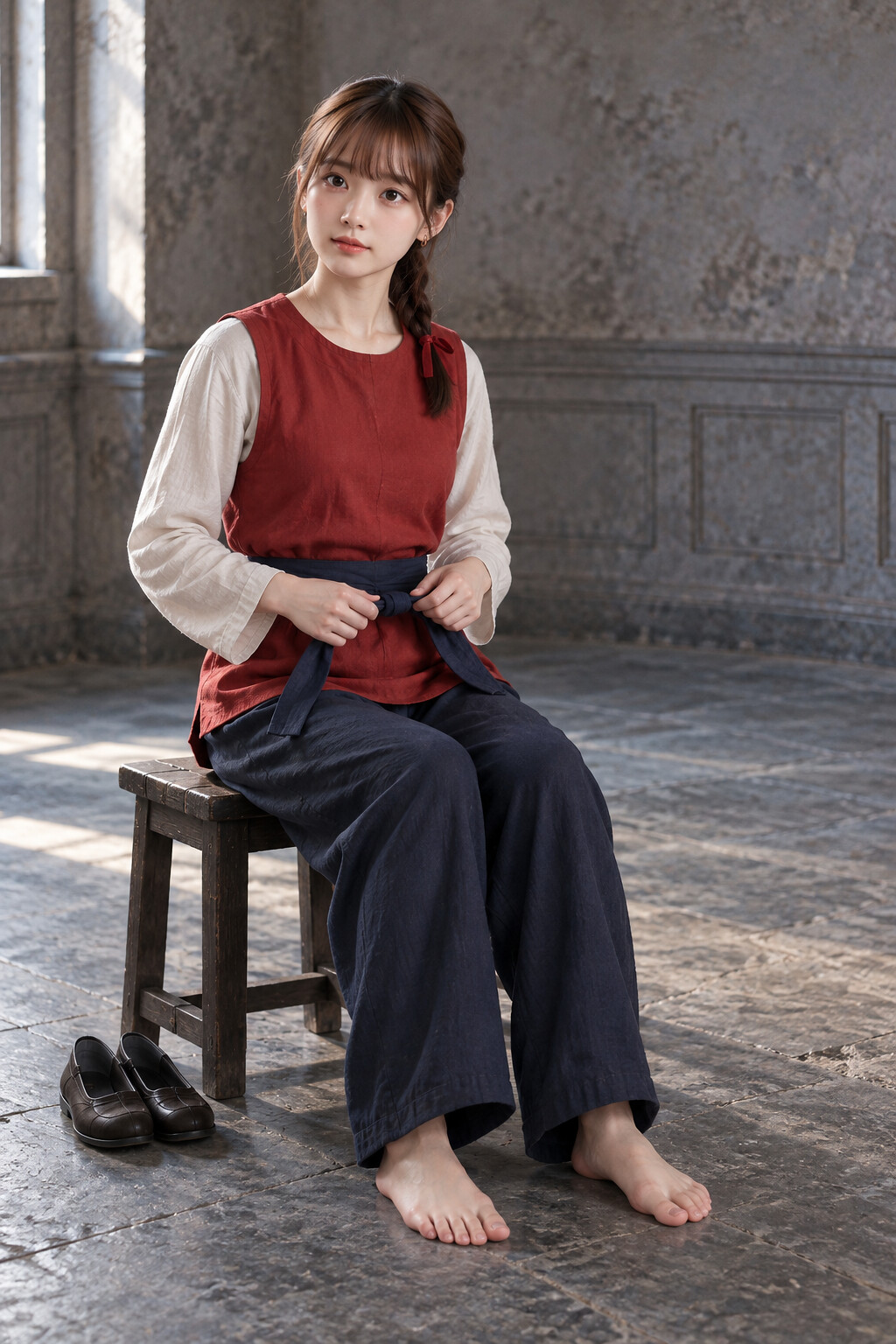
空曠的排練廳裡只有呼吸。紅土庭院裡越跳越快,直到腳步變重。卸下紅衣走進鏡廊,每一面鏡子都有她,沒有一面替她回答。黑石臺上,她終於坐下,聽別人的鼓。

舞王的舞不能停;她學會的是,停下的那一拍也屬於節奏。一個人停手,另一個人才聽見。

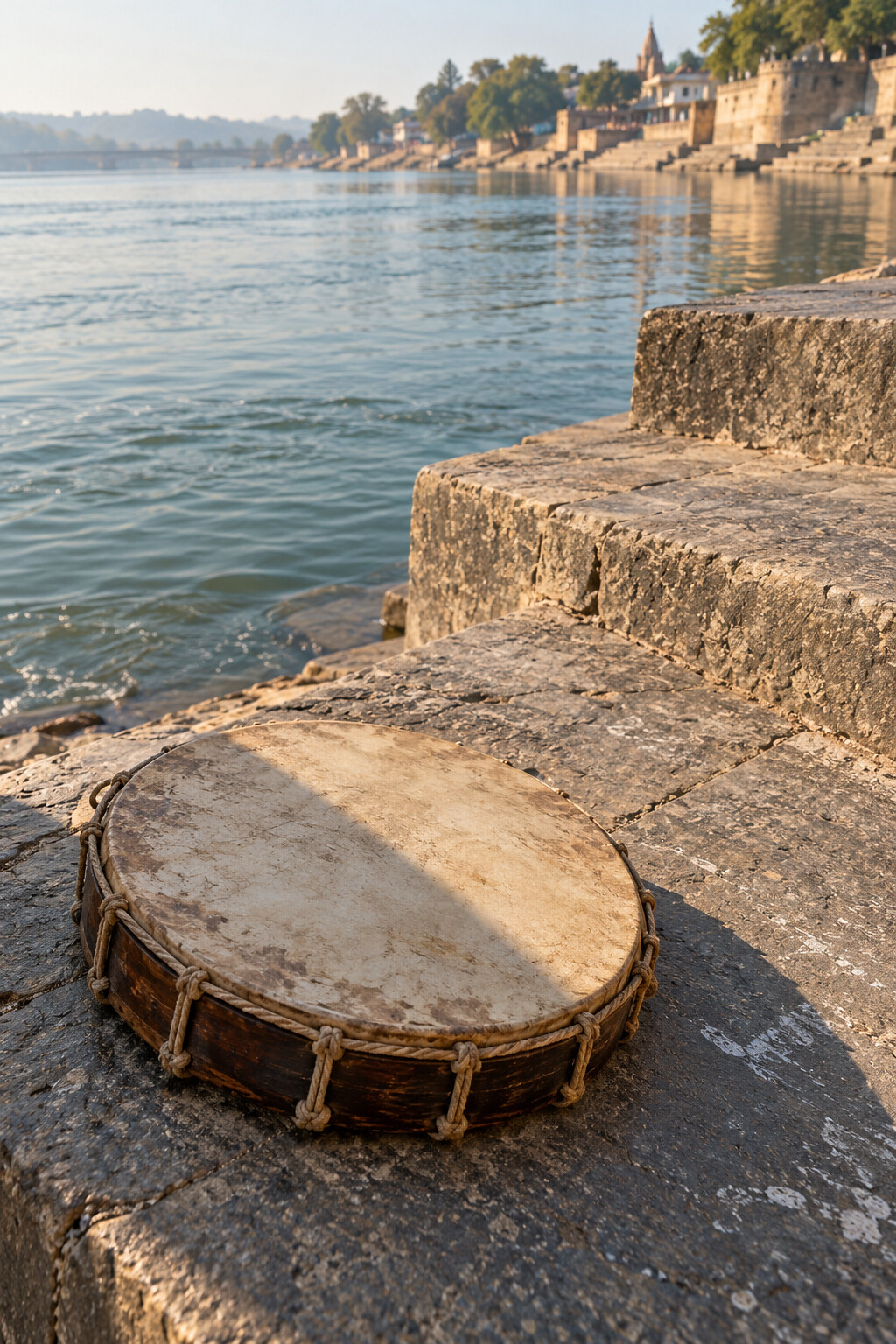
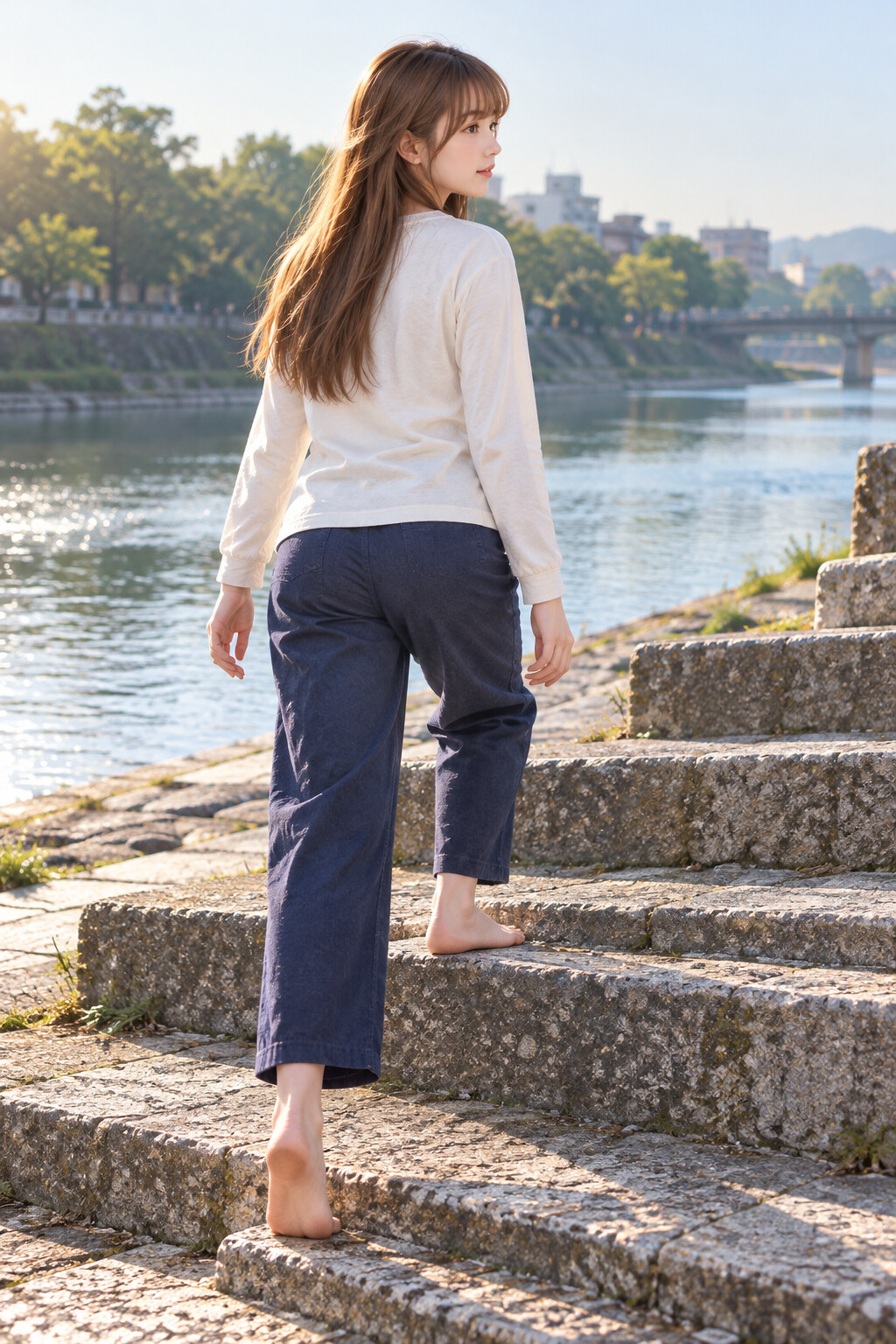
燈熄之後,河水照常流動。鼓留在階梯上,下一步不需要被觀看。

Read the statement in English

She believed the world would turn only if she never missed a step.

Shiva Nataraja sustains creation and dissolution with a dance. She is not a god, only a dancer borrowing a few of its images: the drumbeat becomes red dust rising from her feet, the ring of fire a ring of stage lights, the many forms a pair of shadows cast by two lamps.

In the empty rehearsal hall there is only breath. In the red-earth courtyard she dances faster until her feet grow heavy. She sets the red costume aside and walks into a corridor of mirrors; every mirror holds her, and none answers for her. On the black stone platform she finally sits and listens to someone else's drum.

Nataraja's dance cannot stop. What she learns is that the paused beat belongs to the rhythm too: when one person stops, another can be heard.

After the lights go out, the river keeps flowing. The drum stays on the steps, and the next step needs no audience.

在 Flickr 看完整相簿 ↗

01先聽見Before the First Beat

房間還沒有節拍。她先把自己的呼吸放進去。

The room has no rhythm yet. She begins with her own breathing.

02追上速度Keeping Pace

越想追上,腳步越重。身體比她先知道。

The harder she tries to keep up, the heavier each step becomes. Her body knows first.

03鏡子之間Between Mirrors

每一面鏡子都有她,沒有一面替她回答。

Every mirror holds her image. None can answer for her.

04容許空隙Room for a Pause

一個人停手,另一個人才聽見。空隙也能讓節奏繼續。

One person stops, and another begins to listen. A pause can carry the rhythm onward.

05再跳一次One More Dance

她不再追趕每一拍。她選擇在哪裡站穩,又在哪裡放手。

She no longer chases every beat. She chooses where to stand, and when to let go.

06把下一拍還回去The Next Ordinary Step

燈熄了,河水還在流。下一步不需要被觀看。

The lights go out. The river keeps flowing. The next step needs no audience.

STORY · 故事與改寫

故事與改寫

這一冊從哪一則神話出發,又改寫了什麼。

故事從濕婆舞王(Shiva Nataraja)的意象出發。在南印度的銅像傳統裡,舞王的鼓、火、安撫的手勢、抬起的腳與環繞的火環,被連結到創造、消逝與循環。

在這次改寫中,史旺姬是一位原創的女性表演者,並不扮演神祇本身。鼓聲化為腳下揚起的粉末,火環化為舞臺上的燈環,多重的身影由兩盞燈投出的雙影承擔。最大的改寫是停頓:舞王之舞維繫著世界,而她學到,停下來的那一拍也屬於節奏。

婆羅多舞以基本步法組成段落、在空間與時間中成形的觀念,讓本書以腳步、衣褶、影子與停頓來排列節奏。書中的舞步、服裝、鼓與舞臺是跨文化的原創表演,沒有重現婆羅多舞或朱羅銅像的脈絡。

The story begins with the image of Shiva Nataraja. In the South Indian bronze tradition, the drum, the fire, the gesture of reassurance, the raised foot and the encircling ring of flame are linked to creation, dissolution and recurrence.
In this adaptation, Swanky Ji is an original female performer; she does not play the deity. The drumbeat becomes powder rising underfoot, the ring of flame becomes a ring of stage lights, and a pair of shadows cast by two lamps carries the sense of many presences. The largest change is the pause: the dance of Nataraja sustains the world, while she learns that a beat of stillness also belongs to rhythm.

The way Bharatanatyam builds passages from basic steps and shapes them in space and time led this book to arrange its rhythm through footsteps, folds of cloth, shadows and pauses. The steps, costumes, drum and stage are a cross-cultural original performance. They do not reconstruct Bharatanatyam or the context of Chola bronzes.

史旺姬 × SWANKY · MYTHS IN THE MAKING

繼續看下去。

36 張依定稿的 6 章順序排列;可以到 Flickr 逐張看,也可以接著讀系列的其他冊。